What Is Probate Court and What Does It Handle?
Losing a loved one brings emotional challenges, and navigating the legal system afterward can feel overwhelming. Many people find themselves asking about the meaning of probate court when tasked with managing an estate. Below, we'll explain exactly how the system operates and what you need to know to settle an estate smoothly. You'll learn the steps involved, the court's responsibilities, and when to seek professional legal guidance.
What Is Probate Court?
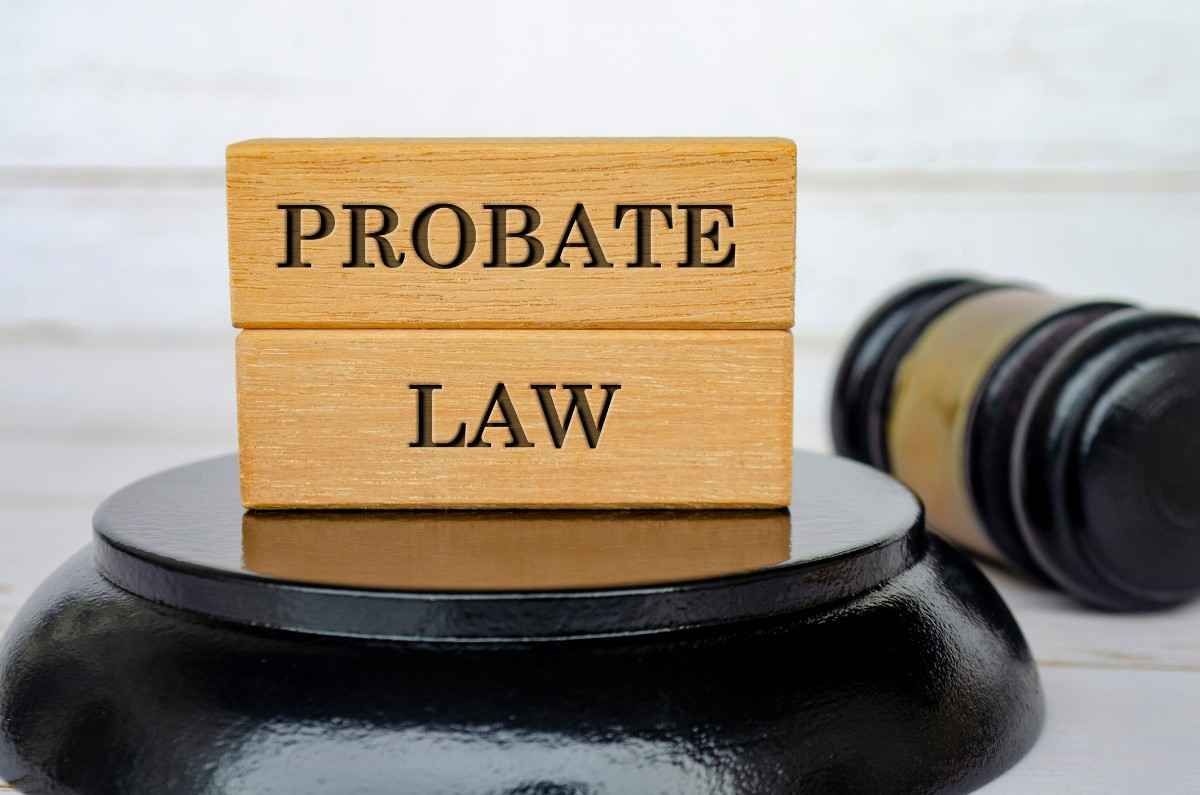
Probate court is a judicial body responsible for overseeing the legal distribution of a person's assets after they die. The primary function is to ensure that a deceased's debts are paid and that their remaining property is transferred to the correct beneficiaries. Local and state laws heavily influence how these courts operate. This means specific timelines and property rules can vary depending on where the deceased lived.
What Does Probate Court Do?
A probate court's main job is to provide legal oversight for estate administration. The court validates the deceased person's last will and testament and formally appoints an executor or personal representative to manage the estate. In addition, the court ensures that all outstanding debts and taxes are paid before any assets are distributed to the heirs.
If someone dies without a will, the court applies state intestate succession laws to determine who inherits the property. It also handles disputes, such as when family members contest the validity of a will.
Common Probate Case Types
Probate cases vary depending on the circumstances of the deceased person’s estate. Here are the most common probate case types that pass through the legal system:
- Testate Estates – This occurs when the deceased left a valid will. The court verifies the document and appoints the named executor.
- Intestate Estates – This happens when there's no will. The court must appoint an administrator and distribute the assets in accordance with local law.
- Conservatorships/Guardianships – These cases are for minors and incapacitated adults who can't manage their own financial affairs.
How the Estate Court Process Works in Media, PA
The estate court process follows a specific path in Media. Generally, it begins when an executor or family member files a petition with the Delaware County Register of Wills. The court then issues a short certificate, granting the representative legal authority to access bank accounts and manage assets.
The representative takes an inventory of the estate, pays valid creditors, and files the necessary state inheritance tax returns. Once all financial obligations are cleared, the representative petitions the court to distribute the remaining assets to the beneficiaries and officially close the estate.
What Is the Role of a Probate Judge?
The role of a probate judge is to act as the ultimate decision-maker during estate administration. During the initial hearings, the judge examines the will to confirm its authenticity. They officially grant authority to the executor or administrator. Throughout the proceedings, the judge monitors the estate's progress to ensure the representative acts in the best interests of the beneficiaries. If conflicts arise among heirs, the judge hears the arguments and issues a legally binding ruling to resolve the dispute. In the final hearing, the judge reviews the completed tasks and formally closes the case.
When Should You Contact a Probate Attorney?
Managing an estate is rarely simple. Even if the deceased had a clear will, you might want to contact a probate attorney to avoid costly legal errors. A lawyer is highly recommended if the estate is large, involves complex assets, or faces potential disputes from unhappy family members. An experienced attorney guides you through the complex filing requirements, keeps the process on schedule, and helps protect your loved one's legacy. Contact us today to schedule a consultation and ensure you fulfill all your legal duties correctly and efficiently.